




依據歐盟施行的個人資料保護法,我們致力於保護您的個人資料並提供您對個人資料的掌握。
按一下「全部接受」,代表您允許我們置放 Cookie 來提升您在本網站上的使用體驗、協助我們分析網站效能和使用狀況,以及讓我們投放相關聯的行銷內容。您可以在下方管理 Cookie 設定。 按一下「確認」即代表您同意採用目前的設定。
Healthcare Information
Information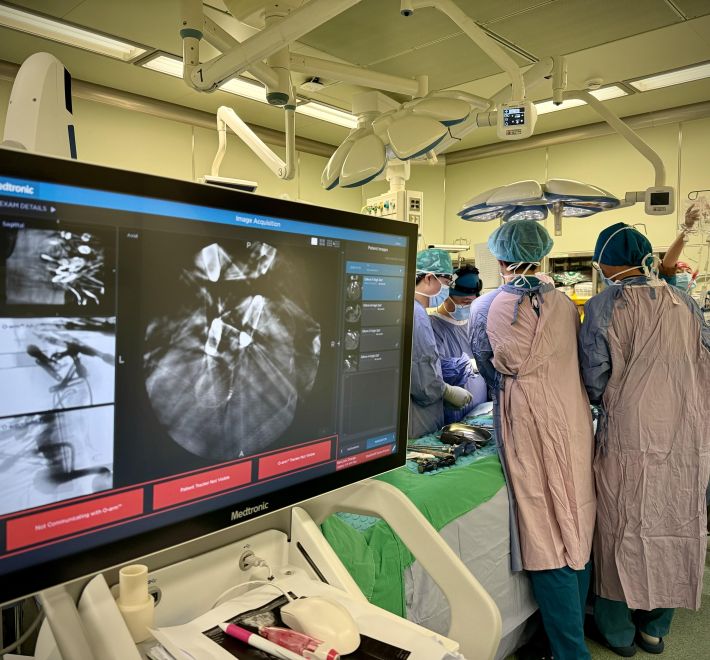
3D Computer-assisted
MIS spine surgery
Endoscopic Spine Surgery
OrthopedicInnovation
6 Key Things to Know Before Modern Minimally Invasive Spine Surgery
Are You Struggling with Herniated Discs, Spinal Stenosis, or Bone Spurs?
Are spinal conditions such as herniated discs, scoliosis, or bone spurs affecting your daily life, yet you remain unsure whether surgery is the right choice? In this special feature, we invite Dr. Chien-Chun Chang, a leading expert from the Minimally Invasive Spine and Joint Center, to introduce minimally invasive spine surgery (MISS). As a cutting-edge advancement in modern medicine, MISS offers a less invasive approach to treating complex spinal disorders. If you are considering minimally invasive spine surgery and want to learn about the six essential preoperative considerations, this article is a must-read.
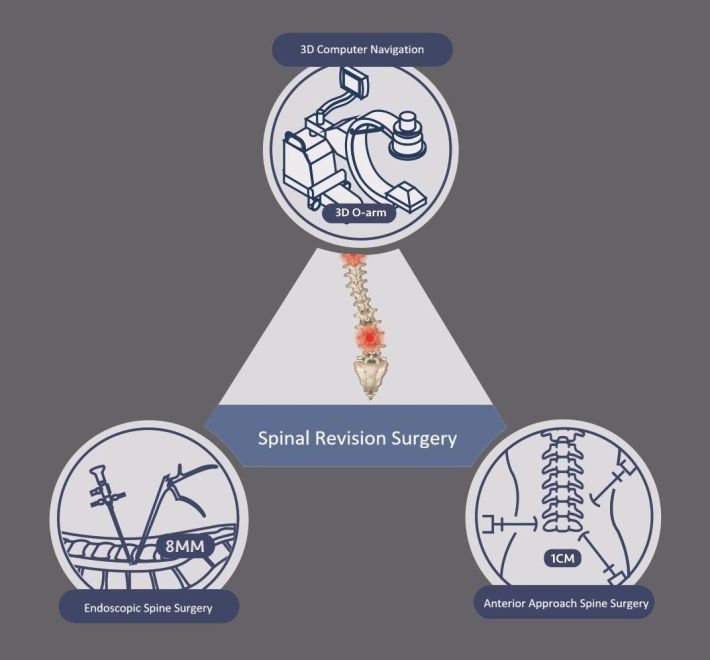
Spinal Revision Surgery
Second Spine Surgery
Spine Surgery
Computer-Navigated Spine Surgery
FBSS
The Complete Guide to Spine Revision Surgery: When a "Second Surgery" Becomes Necessary, How to Control the Risks?
What should you do if pain recurs or screws become loose after spine surgery? Dr. Chien-Chun Chang provides an in-depth analysis of "Spine Revision Surgery." Utilizing O-arm 3D navigation to precisely avoid nerve adhesions and scar tissue, combined with the OLIF (Oblique Lumbar Interbody Fusion) minimally invasive lateral approach, significantly reduces bleeding and risks. This guide includes an analysis of revision causes, postoperative recovery, and FAQs to help you regain quality of life with safety assurance.
Learn more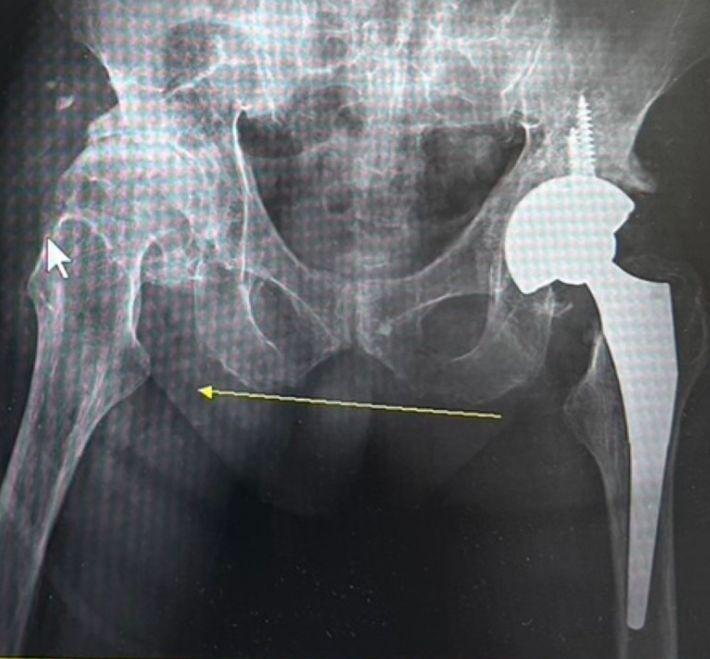
Minimally Invasive Total Hip Replacement
Hip Replacement Surgery
Hip Surgery
The Complete Guide to Minimally Invasive Hip Replacement Surgery: Smaller Incision, Rehab-Free Recovery, Regain Your Stride
Hip joint pain making walking difficult and squatting impossible? Dr. Chien-Chun Chang explains "Minimally Invasive Total Hip Arthroplasty." This guide details how the Direct Anterior Approach (DAA) and innovative Anterior-Lateral Muscle-Sparing techniques achieve muscle preservation, allowing patients to walk on the same day after surgery. It includes a comparison of artificial joint materials, recommended out-of-pocket cost estimates, and a postoperative recovery guide to help you make a precise evaluation and regain your mobility.
Learn more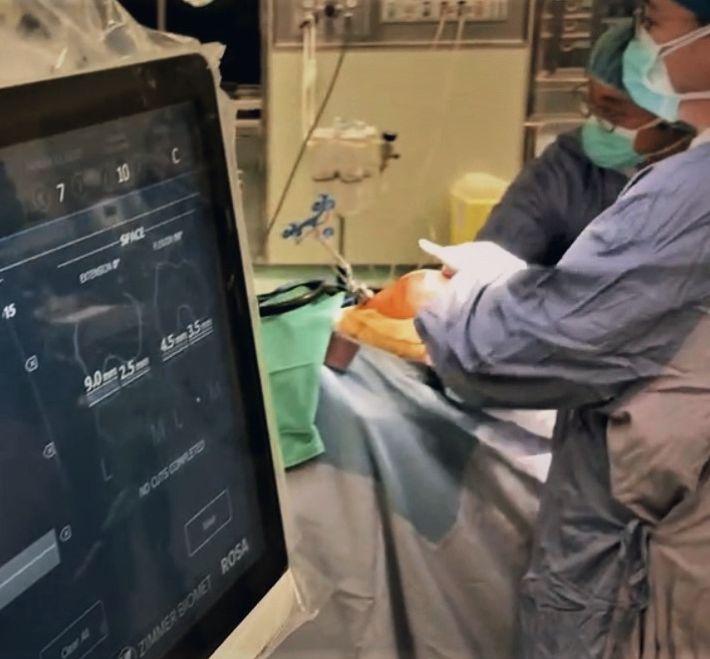
ROSA Knee
Robotic-Arm Assisted Total Knee Arthroplasty
Minimally Invasive Knee Replacement Surgery
The Complete Guide to Minimally Invasive Knee Replacement Surgery: Precision Medicine with ROSA Knee Robotic-Arm Navigation - A New Treatment for Degenerative Knee Arthritis
Does knee pain always require a total knee replacement? Discover ROSA Knee 3D Robotic-Arm Navigation technology, which reduces surgical error to 0.005 cm, precisely balancing ligaments and preserving muscle tissue. This guide includes a budget for minimally invasive surgery, a comparison table of ROSA versus traditional surgery, and a 24-hour rapid recovery protocol to help you regain mobility and extend the lifespan of your artificial joint.
Learn more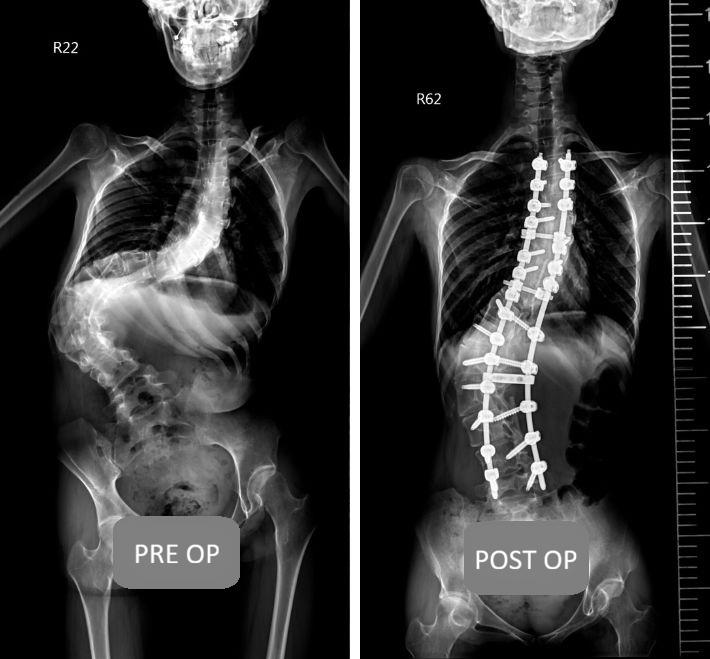
Scoliosis Surgery
Scoliosis Correction
Minimally Invasive Scoliosis Surgery
Scoliosis Surgery Cost
Risks of Scoliosis Surgery
The Complete Guide to Scoliosis Surgery: From the Golden Window of Treatment to Minimally Invasive Techniques — A Surgeon’s Explanation of Key Factors for Safe Correction
Is surgery always necessary for scoliosis? Dr. Chien‑Chun Chang provides an in‑depth analysis of surgical indications for adolescents and adults. With the introduction of the O‑arm 3D navigation system, surgical error is reduced to under 0.1 cm, significantly enhancing safety. This article details minimally invasive procedures, implant costs, recovery timelines, and frequently asked questions about postoperative exercise — helping you reclaim an upright, confident life through precision medicine.
Learn more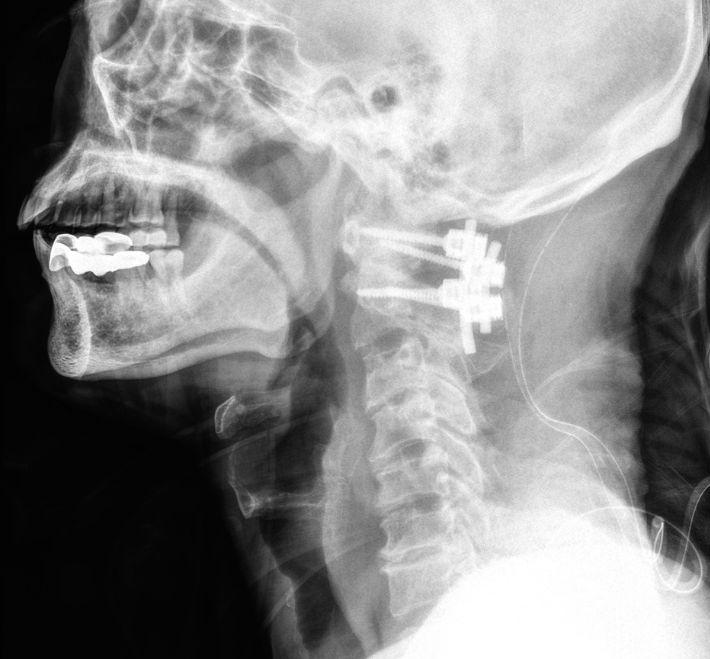
Minimally Invasive Cervical Spine Surgery
3D Navigated Cervical Surgery
Cervical Endoscopic Surgery
Anterior Cervical Discectomy and Fusion (ACDF)
Cervical Laminoplasty
Cervical Disc Herniation
Cervical Spinal Stenosis
The Complete Guide to Minimally Invasive Cervical Spine Surgery: How "Navigated Minimally Invasive" Techniques Precisely Relieve Nerve Compression and Speed Recovery
Numb hands, weakness, unsteady gait—when cervical nerves are compressed, your quality of life suffers. Do you feel anxious upon hearing that cervical spine surgery might be needed, fearing the large incision, long rehabilitation, and complications of traditional surgery?
Today, cervical spine surgery has entered the era of "precision minimally invasive" techniques. The Dr. Chien-Chun Chang Minimally Invasive Spine & Joint Team, with the assistance of "3D computer navigation" and "high-end endoscopy", can select the least traumatic approach based on your specific type and location of compression to achieve the goal of effective decompression and rapid recovery.
Modern Minimally Invasive Spine Surgery
Minimally Invasive Spine Surgery
3D Computer Navigation
O-arm Navigation
Herniated Disc
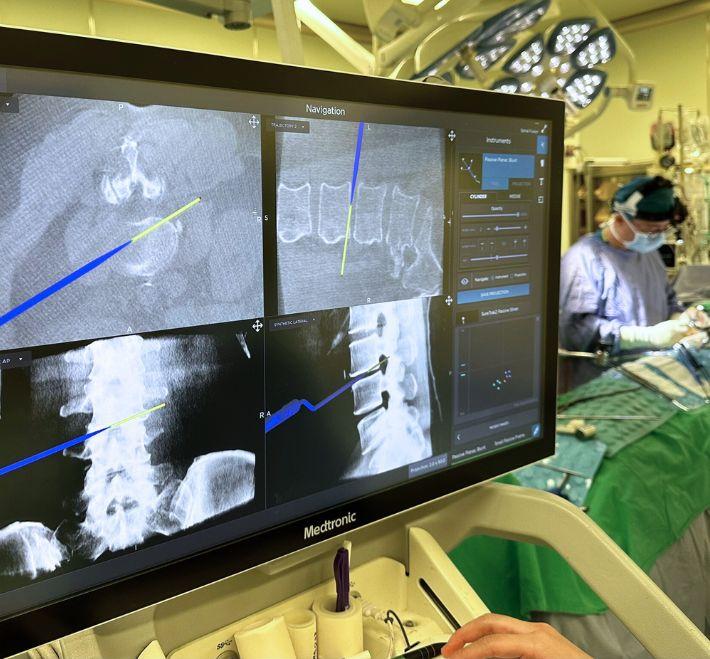
The Technological Revolution in Modern Minimally Invasive Spine Surgery: How 3D Computer Navigation Achieves "Smaller Incision, Less Pain, Faster Recovery"
Facing conditions like herniated discs, spondylolisthesis, spinal stenosis, or revision surgery? Modern minimally invasive spine surgery combines 3D computer navigation (O-arm) and minimally invasive techniques, acting like a surgical GPS for real-time nerve and screw positioning. This reduces bleeding and muscle damage, offering a safer and faster-recovery surgical option even for elderly patients and those with diabetes or hypertension.
Learn more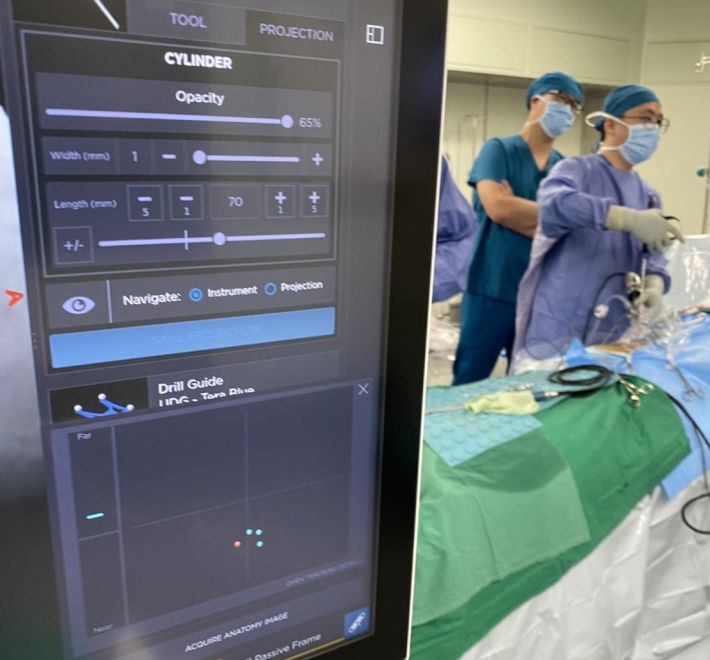
Spinal Endoscopic Surgery
Minimally Invasive Spine Surgery
Ultra-Minimally Invasive Spine Surgery
Herniated Disc
The Ultimate Guide to Spinal Endoscopic Surgery: Evolution, Applications, and Herniated Disc Treatment
Spinal endoscopic surgery is a rapidly evolving minimally invasive technique that has advanced significantly over the past decade. Through a tiny 0.8–1 cm incision and a high-resolution endoscope (providing magnified visuals), it precisely relieves nerve compression. It is commonly used for conditions like herniated discs, spinal stenosis, and bone spur compression. Most patients can walk on the same day or the next, with hospital stays typically shorter than 2 days. This article provides a comprehensive overview of the technique's evolution, the differences between single and dual-portal approaches, indications, costs, and key considerations.
Learn more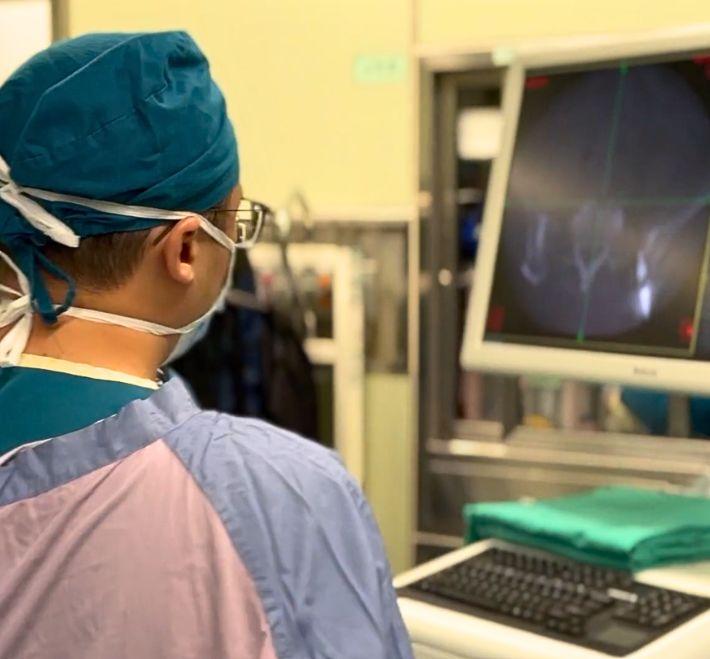
Minimally Invasive Spine Surgery
3D Computer Navigation
O-arm Navigation
What is Computer-Navigated Surgery? How Does It Improve the Success Rate and Safety of Orthopedic Surgery?
Concerned about nerve injury during spine surgery? This article provides an in-depth analysis of how computer navigation combined with O-arm 3D imaging technology controls screw placement error to within 0.1 cm. Suitable for patients with scoliosis or those requiring revision surgery, it effectively reduces incision size, lowers radiation exposure, and enables patients to get out of bed within 1–2 days after surgery. Includes the latest medical literature evidence from 2021–2026.
Learn more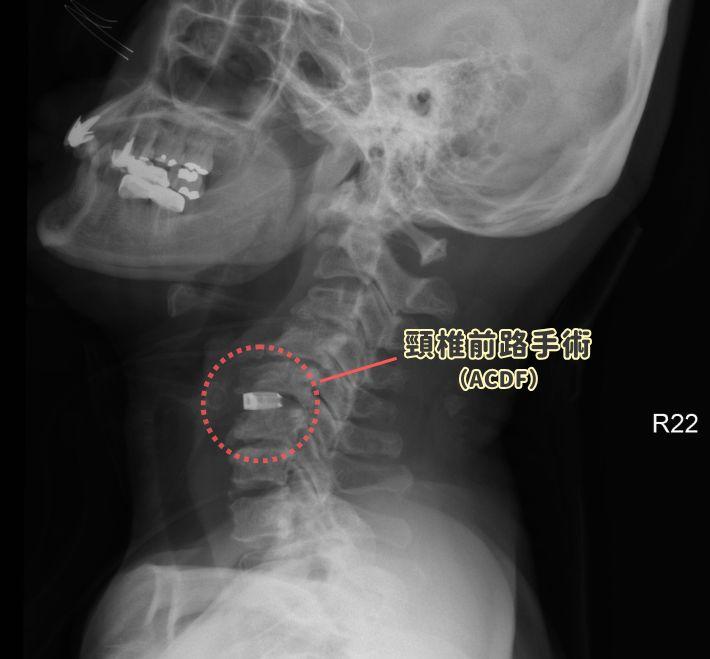
頸椎微創手術
頸椎前路手術
頸椎內視鏡手術
頸椎人工椎間盤置換手術
椎間盤突出
Require Major Open Surgery? A Guide to Three Mainstream Minimally Invasive Procedures and Recovery Timelines
Numbness in the fingers or unsteady gait? Cervical disc herniation does not always require traditional open surgery. In this article, Dr. Chien-Chun Chang explains three minimally invasive techniques: ACDF (anterior cervical discectomy and fusion), ADR (artificial disc replacement), and posterior endoscopic surgery. Supported by the latest PubMed data, this guide reveals real complication rates (below 10%) and compares postoperative recovery timelines. It helps you make an informed decision between preserving neck mobility and relieving nerve compression.
Learn more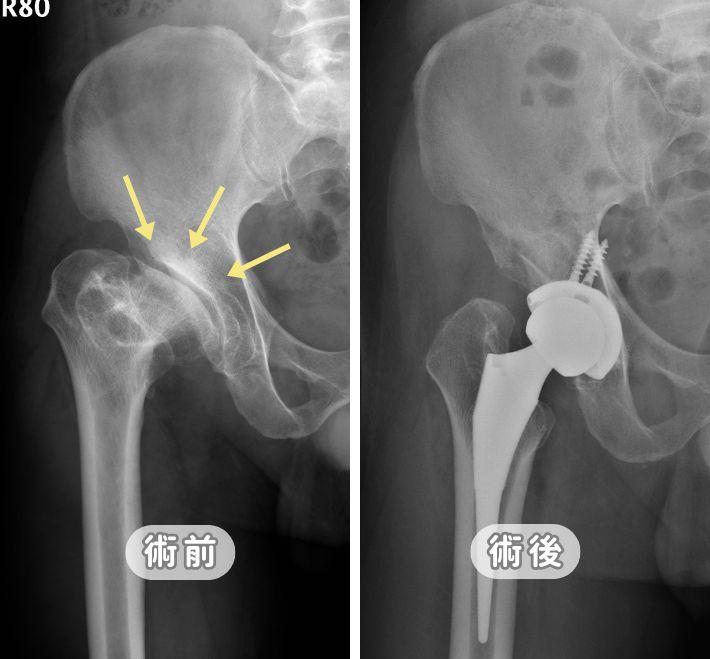
Hip Osteoarthritis
Minimally Invasive Hip Replacement Surgery
Total Hip Replacement
Groin Pain Keeping You from Walking? A 30-Second Self-Test for Hip Osteoarthritis & Treatment Evaluation
Experiencing a dull ache in the groin or a limp when walking? These could be early warning signs of hip osteoarthritis (degeneration). In this article, Dr. Chien-Chun Chang explains the common causes of groin and inner thigh pain. It also includes a simple home self-test and an evaluation guide for minimally invasive surgery recovery to help you understand your options.
Learn more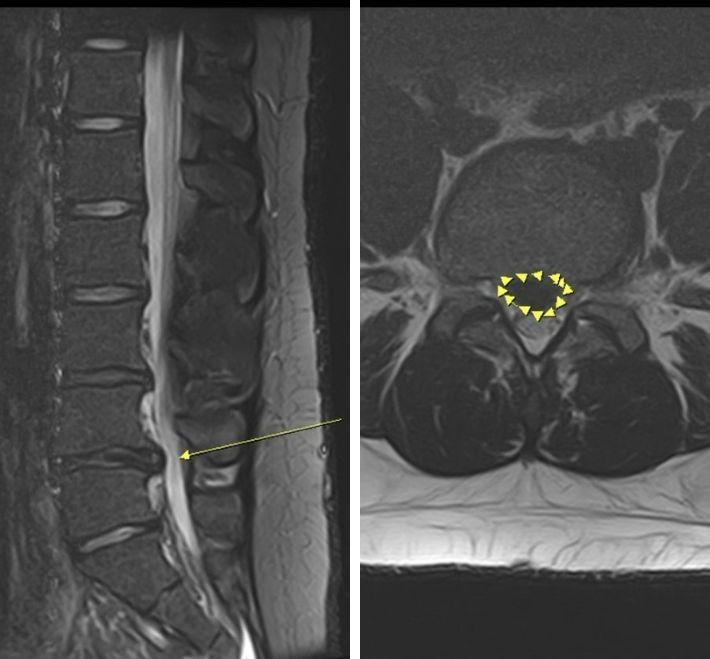
Herniated Disc
Sciatica
Red Flag Signs
Endoscopic Spine Surgery
Minimally Invasive Spine Surgery
Herniated Disc Treatment: Can It Heal on Its Own? Spontaneous Recovery & Acute Care Guide
Do you need surgery for a herniated disc? Based on the latest 2026 medical literature, Dr. Chien-Chun Chang's team provides an in-depth analysis of the causes of herniated discs and the warning signs you should never ignore. Research shows that about 70% of herniated discs have a chance to shrink on their own! This article covers everything from non-surgical rehabilitation to the latest trends in precision medicine, including 3D-Computer-assisted endoscopic spine surgery. It will help you determine the best time for treatment, relieve sciatica, and restore your spinal health.
Learn more