




依據歐盟施行的個人資料保護法,我們致力於保護您的個人資料並提供您對個人資料的掌握。
按一下「全部接受」,代表您允許我們置放 Cookie 來提升您在本網站上的使用體驗、協助我們分析網站效能和使用狀況,以及讓我們投放相關聯的行銷內容。您可以在下方管理 Cookie 設定。 按一下「確認」即代表您同意採用目前的設定。
Healthcare Information
Information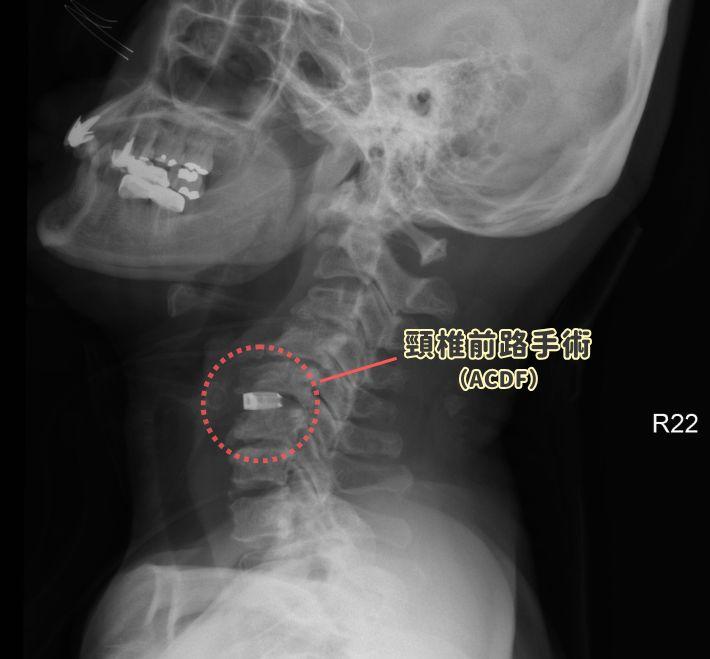
頸椎微創手術
頸椎前路手術
頸椎內視鏡手術
頸椎人工椎間盤置換手術
椎間盤突出
Require Major Open Surgery? A Guide to Three Mainstream Minimally Invasive Procedures and Recovery Timelines
Numbness in the fingers or unsteady gait? Cervical disc herniation does not always require traditional open surgery. In this article, Dr. Chien-Chun Chang explains three minimally invasive techniques: ACDF (anterior cervical discectomy and fusion), ADR (artificial disc replacement), and posterior endoscopic surgery. Supported by the latest PubMed data, this guide reveals real complication rates (below 10%) and compares postoperative recovery timelines. It helps you make an informed decision between preserving neck mobility and relieving nerve compression.
Learn more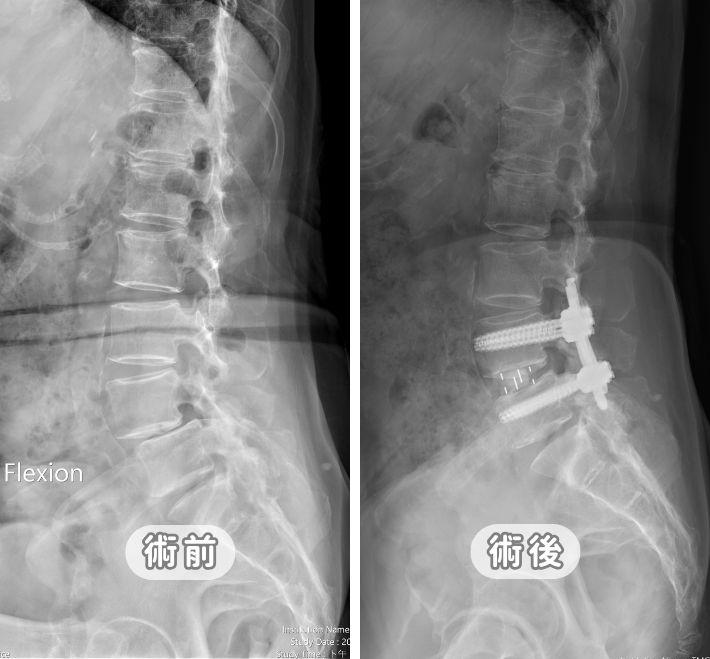
Spondylolisthesis
Sciatica
Minimally Invasive Spine Surgery
3D Computer Navigation
【The Complete Guide to Spondylolisthesis】Causes, Rehabilitation, and Surgical Timing: Precision Treatment Recommendations from Grade 1 to Grade 5
Is surgery always necessary for spondylolisthesis? The team led by Dr. Chien-Chun Chang provides a detailed explanation of the Grade 1 to Grade 5 classification system for spondylolisthesis. Research shows that most patients with Grade 1 or Grade 2 spondylolisthesis can achieve relief through core stabilization exercises and physical therapy. This article provides an in-depth analysis of common causes, warning signs such as neurogenic claudication, and the latest 2026 trends in 3D computer-navigated minimally invasive surgery, which can control implant placement error to within 0.1 cm—helping you achieve precise pain relief and a faster return to quality of life.
Learn more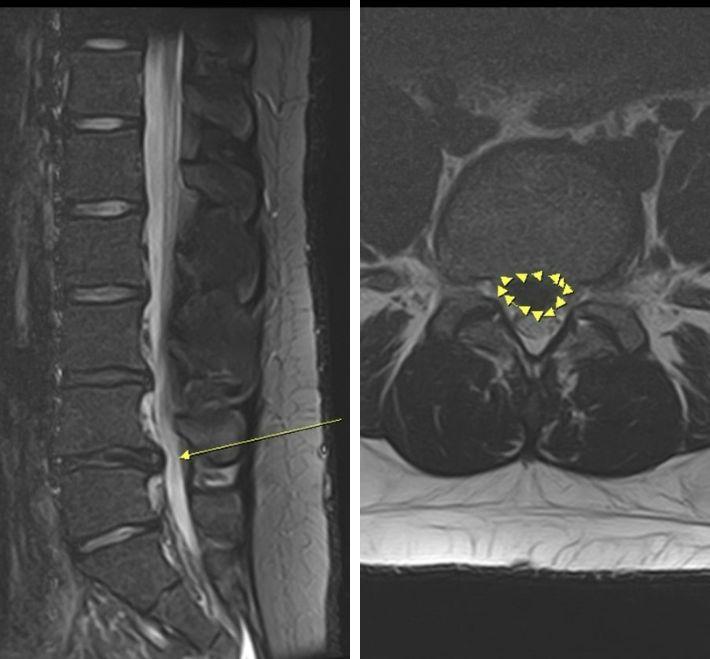
Herniated Disc
Sciatica
Red Flag Signs
Endoscopic Spine Surgery
Minimally Invasive Spine Surgery
Herniated Disc Treatment: Can It Heal on Its Own? Spontaneous Recovery & Acute Care Guide
Do you need surgery for a herniated disc? Based on the latest 2026 medical literature, Dr. Chien-Chun Chang's team provides an in-depth analysis of the causes of herniated discs and the warning signs you should never ignore. Research shows that about 70% of herniated discs have a chance to shrink on their own! This article covers everything from non-surgical rehabilitation to the latest trends in precision medicine, including 3D-Computer-assisted endoscopic spine surgery. It will help you determine the best time for treatment, relieve sciatica, and restore your spinal health.
Learn more
3DComputer-assisted
MinimallyInvasiveSpineSurgery
ScoliosisCorrection
PostOpRecovery
OrthopedicInnovation
Computer-Navigated Minimally Invasive Surgery: A New Hope for Severe Scoliosis Correction with Over 80% Postoperative Improvement
Scoliosis is a common spinal condition that, if left untreated, can lead to physical deformities, impaired cardiopulmonary function, and even impact daily life.
Learn more